Why Stress, Media, and Uncertainty Are Changing the Way You Breathe
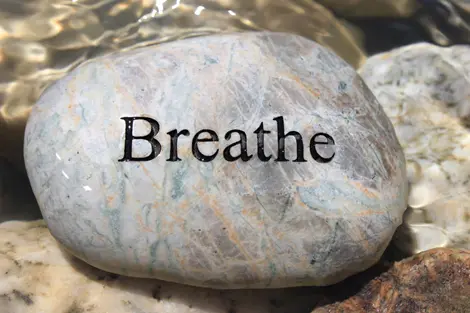
Have you heard people on the news say that the Third World War has already begun? Perhaps you watched for only a few minutes and felt anxiety rise almost at once. In moments like these, the mind rushes to interpret, to judge and to take sides. But before analyzing the state of the world, it may be wiser to pause and analyze something far closer, and in many ways more important: your own breath.
What happens to it when the headlines turn dark?
For many people, the change is immediate. The breath loses its ease. and becomes shorter, quicker, and less satisfying. The mouth opens, as though the body were trying to pull in more air in order to swallow a piece of information the mind cannot quite digest. In some people, the reaction grows more pronounced: the shoulders begin to lift with each inhale, the chest tightens and begins moving rapidly, and the entire breathing pattern takes on the restless quality of a body bracing for impact.
For those who live with asthma, anxiety, or chronic tension, this shift is rarely subtle. It can set off a chain of events: reaching for an inhaler, increasing medication, feeling the heart pound, or even finding oneself in the emergency room. And all of this may unfold while simply sitting in front of a television or holding a phone, and doing nothing more outwardly dramatic than watching the news.
What is happening here is not mysterious, though it is often overlooked. As breathing becomes fast, shallow, and mouth-based, the level of carbon dioxide in the lungs begins to fall. I often think of carbon dioxide as our vital energy, because without enough of it, hemoglobin cannot release oxygen efficiently where it is needed most. Dr. Buteyko went even further, calling it “the main regulator of all the body’s functions.” When that regulator is depleted, the organism loses some of its steadiness. Systems that had been quietly managing in the background become more reactive, more fragile, and more easily thrown off course. Sleep turns lighter and more easily broken when the mind becomes quicker to anxiety, easier to agitate, and easier to darken. Blood pressure may climb when a tightness gathers in the chest. Symptoms that seemed manageable only hours before suddenly step forward, as if they had been waiting for exactly this moment to be noticed.
This is one of the hidden effects of stress: it changes the rhythm of breathing. During times of war, political instability, economic uncertainty, and collective fear, many people begin breathing more than their bodies actually need. Those who are already prone to hyperventilation tend to do it more intensely. Those who never thought about their breathing at all may suddenly find themselves sighing, gulping air, yawning frequently, or feeling unable to take a satisfying breath. This pattern is known as stress-driven overbreathing, or hyperventilation, and during periods of uncertainty, it often spreads quietly through households, workplaces, and communities.
The Hidden Link Between Stress and Overbreathing
Human beings carry within them an ancient survival system, refined over thousands of years to protect us from danger. When the brain detects a threat (whether it is a predator in the forest or a stream of alarming headlines glowing from a screen), it activates the fight-or-flight response. The heart begins to beat faster, the muscles prepare for action, and breathing accelerates.
At that point, many people instinctively switch to mouth breathing. This response is older than civilization. For most of human history, danger required movement. We ran, climbed, fought, and escaped. Those actions generated large amounts of carbon dioxide through muscular activity, often more than we lost through faster mouth breathing. The body was preparing for exertion, and the exertion followed.
Modern danger, however, arrives in a very different form. It comes through breaking news alerts, social media feeds, televised images of destruction, and endless commentary about global conflict. The nervous system reacts as it always has, but the body remains still. We may be sitting on the sofa with a cup of tea in hand and a cat asleep on our lap while a glowing screen announces catastrophe after catastrophe. The body begins breathing as if it were running for survival, though the muscles are barely moving. Very little carbon dioxide is being produced, and the body gradually loses carbon dioxide, one of the substances it needs in order to remain physiologically balanced.
This imbalance can disturb many systems in the body, and it rarely improves the atmosphere around us either, because breathing is never purely personal. It is contagious, which means it is also collective. When someone nearby breathes rapidly, sighs often, or carries visible tension in the body, others frequently begin to mirror that rhythm without realizing it. The respiratory and nervous systems synchronize far more easily than most people imagine. But the opposite is just as true. A person who breathes peacefully – slowly, quietly, through the nose – can become an unexpected center of calm. People nearby may notice their own breathing softening, their bodies easing, their minds growing quieter, often without understanding why. The way we breathe shapes not only our own inner state, but the emotional climate around us. In that sense, we are responsible not only for our own breathing, but also for the atmosphere it helps create.
Why Breathing More Isn’t Better
Most of us were taught that the answer to distress is simple: take a deep breath. The logic seems impeccable: more air must mean more oxygen, and more oxygen must mean better health. Yet the physiology of breathing tells a subtler story – one that Dr. Konstantin Buteyko spent much of his life trying to place before humanity.
Healthy breathing is almost invisible. It is quiet, light, slow, and naturally through the nose. Stand beside a healthy sleeper and you may hardly notice their breathing at all. But when breathing becomes heavy, frequent, and mouth-based, the body’s internal balance begins to shift. Carbon dioxide levels fall, blood vessels narrow, and oxygen (though still circulating faithfully in the blood) finds it harder to leave the bloodstream and enter the tissues waiting for it.
The explanation lies in the Bohr effect, which describes the delicate relationship between oxygen and carbon dioxide in the body. Carbon dioxide helps oxygen loosen its grip on hemoglobin and pass into the cells. When carbon dioxide drops too low because of excessive breathing, oxygen may remain attached to the blood rather than nourishing the tissues. The paradox is as elegant as it is surprising: a person may breathe more air and yet receive less of what that air was meant to deliver.
Meanwhile, the nervous system stays watchful, patrolling even the safest of places for signs of trouble. This can show up as dizziness, fatigue, foggy thinking, anxiety, heart flutters, or that peculiar feeling of never quite getting a full breath. More often than we realize, the problem is not a lack of oxygen, but simply too much breathing.
The Buteyko Discovery
The Buteyko breathing method, developed by the Russian-Ukrainian physician Dr. Konstantin Buteyko, is based on the idea that many modern symptoms are connected to chronic overbreathing. After years of clinical observation, he concluded that restoring a healthier breathing pattern could help restore balance throughout the body.
His approach was logical, science-based, and powerful precisely because of its simplicity. It did not ask for heroic effort or theatrical breathing exercises, but for something subtler and wiser: to breathe less, to breathe slower, and to restore healthy nasal breathing. As the breath grows quieter and more economical, carbon dioxide levels begin to normalize, the nervous system starts to settle, the mind clears, and the body often recovers a sense of inner steadiness. The goal is not to force the breath, but to re-educate it until calm, efficient breathing becomes natural – even in the presence of stress, uncertainty, or heartbreaking news.
Why Global Stress Amplifies Breathing Problems
Periods of global conflict have a peculiar way of entering the body even when they remain geographically far away. A person may be physically safe, wrapped in a blanket on a familiar sofa, yet the nervous system does not always trust the evidence of the immediate environment. It listens instead to the language of alarm: scrolling headlines, urgent voices, video footage, messages arriving one after another on a glowing phone. The brain interprets these signals as danger, and the body responds accordingly.
In earlier times, danger usually required movement. The body could discharge the alarm through action. Today, danger often arrives as information. We absorb it while sitting still. The body receives the surge, but never gets the release.
There is another factor at work as well, and it is a deeply human one: empathy. When we witness suffering – cities under attack, families displaced, people starving, children killed – we do not remain untouched. Something in us responds: we feel it in the chest, in the throat, in the breath itself. Yet unlike many of the threats our ancestors faced, these situations often leave us unable to intervene directly. We are stirred, but powerless. The nervous system does not make a fine distinction between danger we can confront and danger we can only watch. It prepares the body for action all the same.
Over time, this constant state of low-grade alarm pushes breathing away from its healthy rhythm. It becomes faster, higher in the chest, more frequent, more audible, and more dependent on the mouth. In this way, global stress enters the most intimate rhythm we have: the rhythm of the breath.
A Simple Check – and a Reset
Pause for a moment and observe your breathing without trying to correct it.
Ask yourself:
- Is my mouth open?
- Is my chest leading the movement?
- Can I hear the breath?
- Do I keep wanting to take a deeper one?
If even one of these is true, your breathing may be following stress rather than the body’s true needs. You are hyperventilating; however, simply noticing this is already the beginning of balance.
Then try a small reset. Sit comfortably and close your mouth. Allow the breath to travel through the nose and gradually become softer, smaller, quieter – as though you were breathing only the amount of air this moment truly requires. Breathe as if you were meditating: lightly, peacefully, without effort. Stay there for a few minutes. Often, the body begins to settle on its own and the breath slows, the face softens, and the nervous system begins to step out of alarm.
Peaceful Breathing as a Form of Protest
We may not be able to control world events, but we can influence how our bodies participate in them. When breathing remains calm, quiet, and nasal, we are no longer feeding agitation into an already agitated world. We offer something else instead: peace, steadiness, logic, and clarity.
Dr. Buteyko suggested that chronic hyperventilation does not support peace of mind. Rapid, excessive mouth breathing tends to provoke impulsive reactions, irritability, anger, and a narrowing of perception. Peaceful nasal breathing supports the opposite: a steadier mind, a wider perspective, and a greater ability to recognize causes, consequences, and possible solutions.
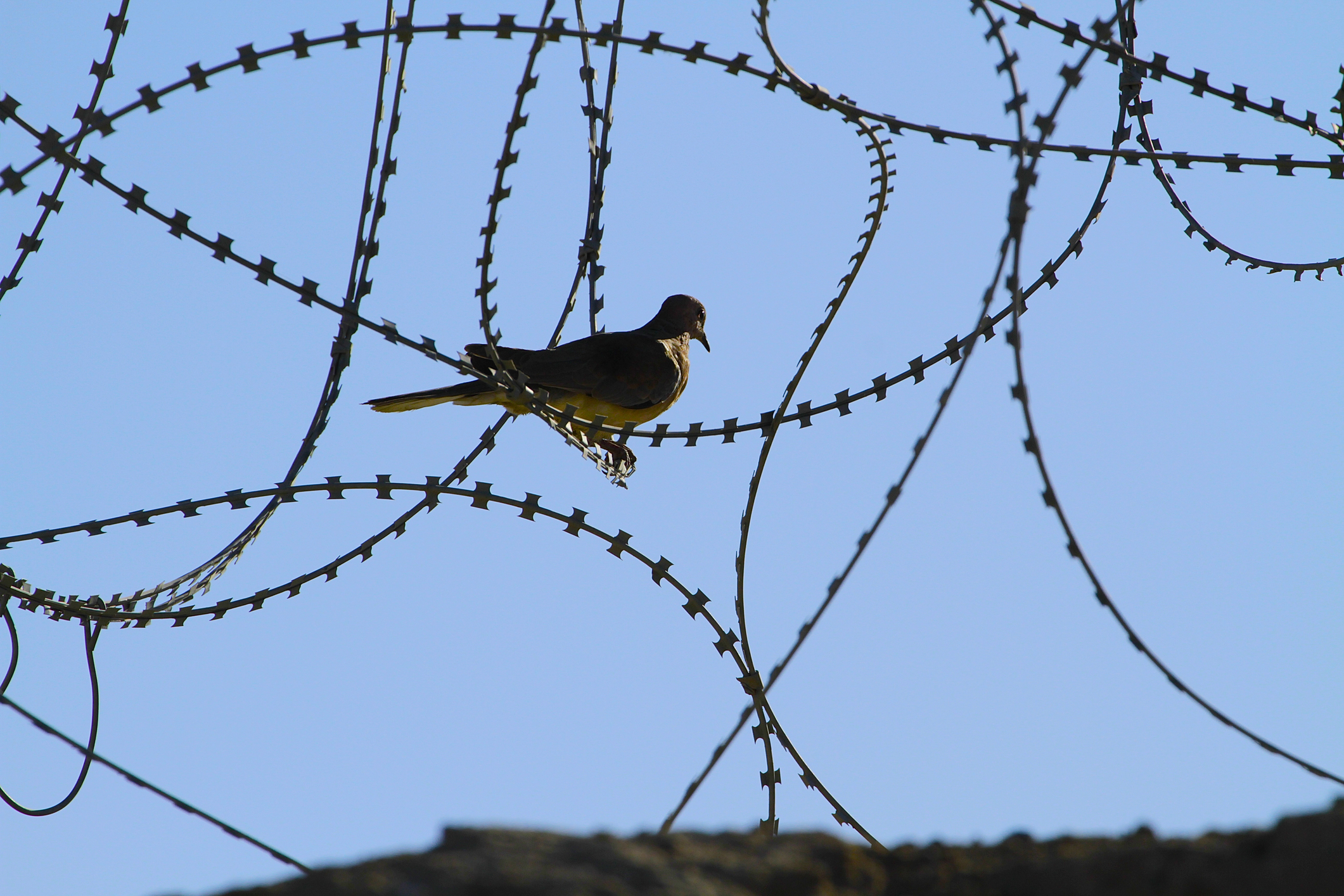
In times like these, returning to quiet nasal breathing may be one of the simplest and most practical forms of protest available to us. It is a kind of flower power of the breath – gentle, almost invisible, yet quietly rebellious. It refuses to let fear dictate the chemistry of the body. It refuses to let panic become the atmosphere we contribute to.
Individually and collectively, this may prove more useful than another hour spent debating global politics while breathing anxiously through the mouth. Sometimes the most important news is not what is happening on the screen. Sometimes the most consequential event is the one unfolding under your nose.
A Community for Peaceful Breathers: The BreathMastery Program
There is another way to respond to the tension circulating through the world. Instead of absorbing it unconsciously, breath by breath, we can choose a different rhythm.
This is the spirit of Buteyko BreathMastery, our weekly gathering for peaceful breathing. Every Sunday, for one hour, people from different countries and backgrounds come together to slow the breath, restore healthier carbon dioxide levels, reset the nervous system, and return to the kind of breathing the body was designed for: quiet, nasal, and unforced.
In Dr. Buteyko’s language, this is what it means to stay “in the method.” When breathing remains calm and economical, we become less vulnerable to the wave of global over-breathing that spreads so easily in times of fear, conflict, and uncertainty. The headlines may grow louder, emotions may intensify, but the breath does not have to follow them.
Dr. Buteyko once expressed a simple and beautiful idea: if humanity truly wished to reduce conflict and establish peace, then perhaps one of the greatest contributions would be for people everywhere to breathe peacefully and healthily together, even for just a few minutes.
At first, the idea may seem almost too simple. Yet anyone who has observed how breathing shapes the mind understands its depth. Peaceful breathing supports peaceful thinking, and peaceful thinking opens the door to wiser choices, calmer action, and a different human atmosphere.
This is what we practice at BreathMastery. We help ourselves, and perhaps we help others too. We learn to breathe in a way that supports health, steadiness, and peace rather than fear, agitation, and overreaction.
The doors are open to everyone.
Because sometimes a meaningful contribution to peace begins not with louder words, but with a quieter breath -taken together.