


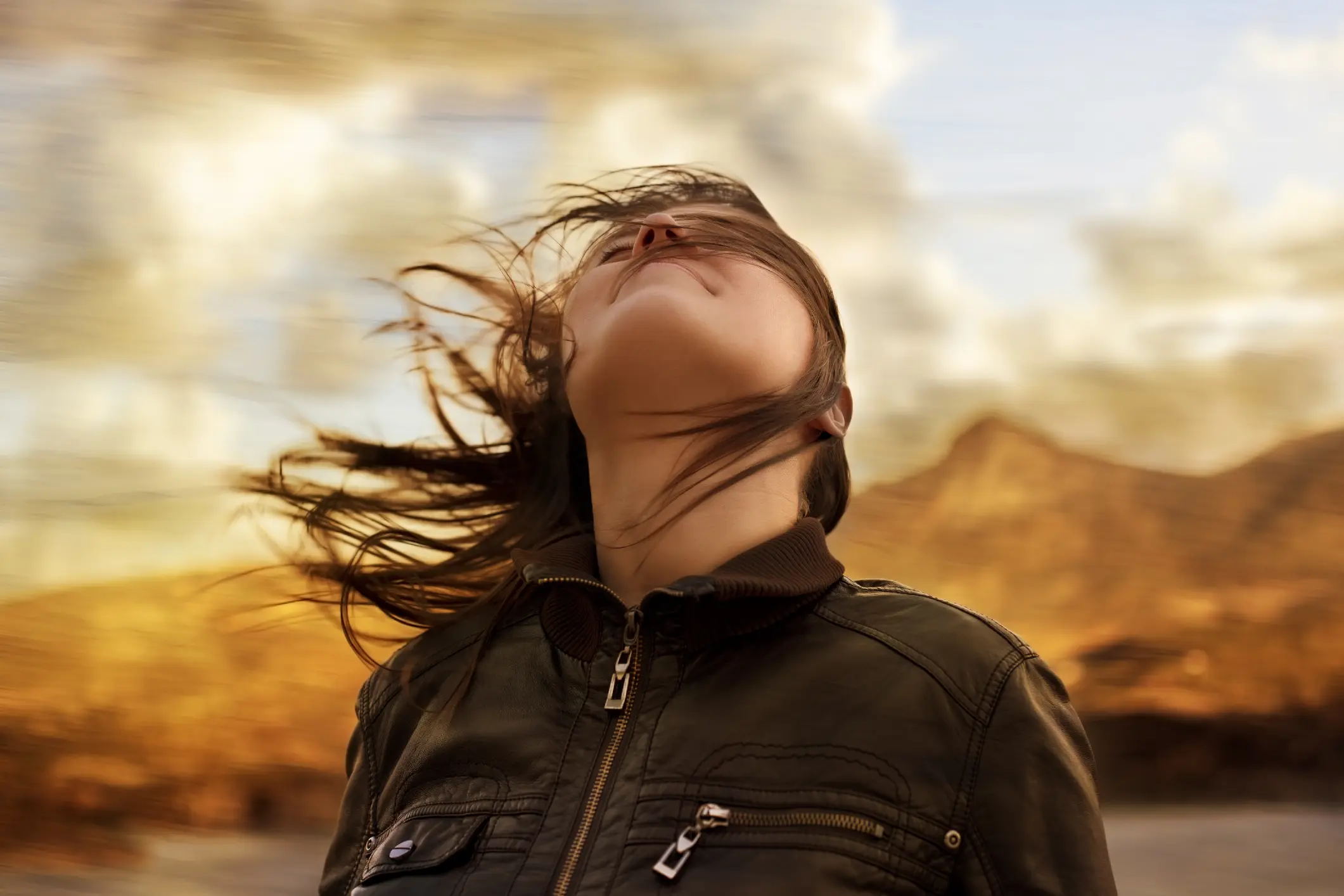
Breathing at High Elevation as a Path to Healing
High places have a certain mystique. The air feels thinner, horizons stretch wider, and life slows just enough for us to notice something most people ignore: our breath.
For many, altitude feels like a challenge—lungs work harder, sleep turns restless, and the body whispers, “not enough air.” But for those who practice the Buteyko Breathing Method, altitude doesn’t drain vitality; it can strengthen it.
I often witness this paradox during the Joyful Journey to Health, Buteyko retreat in Colorado, set at 7,500 feet above sea level. Here, thin mountain air and conscious breathing come together in a way that turns burden into teacher and difficulty into gift.
Breathing: A Force as Potent as Nuclear Power
After decades of research and clinical practice, Soviet physiologist K. P. Buteyko, MD–PhD, concluded that breathing is as powerful as nuclear energy—capable of damaging or restoring health in a remarkably short time. With every breath, we move either closer to wellness or deeper into imbalance. This truth becomes strikingly clear at altitude, where each inhalation feels more precious and every habit of over-breathing reveals itself.
Buteyko Breathing trains us to soften the breath—to keep it nasal, gentle, and quiet, no matter the circumstance. The aim is to sustain carbon dioxide (CO₂) in the lungs at an optimal level—the true “breath of life.” Dr. Buteyko emphasized that CO₂ is a primary regulator in the body and helps govern oxygen delivery to our cells through the Bohr effect.
Rather than fighting air hunger, the Buteyko Method teaches us to create and welcome a light version of it. In doing so, CO₂ in the lungs rises, calm spreads through the nervous system, and the body regains balance—what we commonly call health.
How Altitude Tests—and Strengthens—the Breath.
At 7,500–8,500 feet, oxygen pressure is lower than at sea level, so resting oxygen saturation in healthy people often sits around 90–93%. For those who rely on mouth breathing or habitual over-breathing, this dip can feel alarming—bringing breathlessness, uneasy sleep, or fatigue. With Buteyko tools, the same drop becomes a training ground for resilience:
- Mild hypoxia mirrors practice. The gentle “air hunger” of altitude and Buteyko exercises reinforce one another, helping students become comfortable with a small, safe sense of air shortage.
- Control Pause becomes a teacher. At altitude the Control Pause can turn jumpy, reflecting natural shifts in CO₂. Walk too briskly and CO₂ will dip. Retreat participants become acutely aware of their “CO₂ storage,” learning to use it wisely without emptying their inner reservoir of vital energy.
These fluctuations aren’t a flaw; they’re training. When CO₂ rises, hemoglobin releases oxygen more readily into tissues; when CO₂ falls, hemoglobin holds on more tightly. This is the Bohr effect in action. Experiencing these shifts—at altitude, in Buteyko sessions, or both—teaches the body to adapt smoothly and efficiently. Over time, this builds flexibility in oxygen delivery: the capacity to supply oxygen precisely when and where it’s needed—whether to working muscles, a focused brain, or the whole body at rest. And the skills learned in the mountains stay with you at sea level.
Gentle Stress, Calm Response
Altitude stresses the body—it can make breathing feel harder, energy less steady, and sleep less certain. With Buteyko, instead of reacting with anxiety and hyperventilation, students learn to keep the breath peaceful, relax the body, and let adaptation unfold. Altitude becomes a form of positive stress training; positive because it isn’t overwhelming; it stays within the body’s natural capacity to adjust.
This practice travels home with you. The same skill that keeps you steady with air hunger on the mountain helps you stay composed in traffic, in a heated conversation, or under pressure at work. The tools are the same: peaceful breathing and a relaxed response to whatever arises.
Benefits of Altitude + Buteyko
When altitude and Buteyko come together, their effects don’t just add up—they expand:
- Easier breathing at sea level. After training in thinner air, everyday breathing often feels lighter, smoother, and more natural.
- Easier acclimatization. Buteyko can soften altitude discomforts such as shortness of breath, restless nights, or fatigue.
- A steadier nervous system. Gentle stress from altitude, met with calm breathing, builds inner balance and resilience.
- Stronger respiration and overall well-being. Lungs grow more efficient, breathing muscles strengthen, and nasal, quiet breathing becomes natural. Many also notice deeper sleep, less anxiety, greater stamina, and more resistance to seasonal respiratory infections.
- A lasting shift. Skills practiced in the mountains continue to support health and well-being long after the return home.
Beyond Breath: Nature’s Helpers at Altitude
Since I’m using the Joyful Journey retreat as an example, I’ll mention a few complementary practices that Dr. Buteyko recommended to support wholesome breathing and overall health, which we implement during the retreat.
Diaphragm Relaxation in Hot Springs
A relaxed diaphragm is central to healthy breathing—yet it’s one of the hardest muscles to release. In natural hot springs enriched with minerals (including lithium), relaxation happens almost on its own. Practicing reduced breathing in warm water allows tension to melt away. Some participants have told me they felt their diaphragm truly relax for the first time in their lives while practicing Buteyko exercises sitting in these pools.
Nature Tempering
We explore the contrast of hot and cold. After soaking in hot springs, some step under a cold mountain shower or dip into an icy bath. This optional practice is both relaxing and invigorating; it steadies the nervous system and strengthens emotional and immune resilience. It’s also fun—there is usually plenty of laughter.
Tempering isn’t only about hot and cold. We walk barefoot on the earth, spend long hours outdoors, and breathe in pristine mountain air. The Colorado sun—along with water, earth, and air—becomes an ally in strengthening health. Each element nourishes in its own way, supporting CO₂ levels, calming the nervous system, and renewing vitality.
A Retreat Journey: Before, During, After
Participants often describe their time at altitude as a kind of passage.
Before — Sea Level Breathing
At sea level, oxygen is abundant, yet CO₂ tolerance is often low. Breathing may seem normal but can be hurried, shallow, and often through the mouth. Few realize how this quiet habit slowly drains vitality. When the rhythm of breath shifts—at altitude or through Buteyko practice—those habits become visible and easier to change.
Early Days at Altitude
When oxygen saturation dips to 90–93%, the body notices the change. Sleep may be restless, the mind uneasy. With Buteyko, the response softens. One participant reflected:
“I anticipated feeling unsettled in the Colorado mountains, as I had before in Denver. But this time, applying Buteyko right away, I felt steady. A small stress was there, but it no longer disturbed my sleep. Once I softened my breath, it felt as if my whole body relaxed.”
Deeper Practice
AS the days unfold, the breath shifts. Movement feels lighter, and breathing becomes easier. Many participants describe a paradox—feeling grounded and light at once, calm yet full of energy.
After Returning Home
Back at sea level, oxygen saturation rises again, but something has changed: the body carries a higher tolerance for CO₂. Breathing feels more effortless, steadier, quieter. One man wrote three weeks after the retreat:
“I used to huff and puff just climbing the stairs at home. I had to breathe through my mouth, which I knew wasn’t good for me. Now I run upstairs and my breath stays steady. I breathe quietly through my nose 100%. And it’s easy!”
Training That Helps Us Return to Wholeness
Altitude reminds us how fragile breath can feel. Buteyko shows us how powerful it can become. Together, they create not just training, but a healing journey—from unconscious to conscious breathing, from struggle to ease, from illness toward optimal health.
At 7,500 feet, among mountains, mineral waters, and pristine nature, many people realize that breath is not merely survival—or a problem to fix—but a medicine, a guide, and a teacher. Learning to listen to the breath, and to follow it with respect, opens the way to better health and well-being. Many return home, saying that gentle breathing has become almost second nature to them. If you can do it in thin mountain air, how simple it feels at sea level.
A Final Message
You don’t need a mountain to meet your breath. Altitude simply magnifies what is always present: the choice between hurried, unconscious breathing and peaceful, life-giving breath. The lesson of Buteyko is that every environment—whether a high peak or the edge of the sea—is a place to practice. Wherever we are, the breath is ready to guide us toward balance. Still, high altitude can accelerate this journey.

I must say this article is extremely well written, insightful, and packed with valuable knowledge that shows the author’s deep expertise on the subject, and I truly appreciate the time and effort that has gone into creating such high-quality content because it is not only helpful but also inspiring for readers like me who are always looking for trustworthy resources online. Keep up the good work and write more. i am a follower.
Nice post. I learn something totally new and challenging on this website.